Buy impresspages.eu ?
We are moving the project
impresspages.eu .
Are you interested in purchasing the domain
impresspages.eu ?
domain@kv-gmbh.de · 0541-91531010
Buy impresspages.eu ?
What were the Reformation and Counter-Reformation?
The Reformation was a 16th-century movement within Christianity that aimed to reform the Roman Catholic Church. It was led by figures such as Martin Luther, John Calvin, and Huldrych Zwingli, who sought to address corruption and abuses within the Church. The Counter-Reformation, on the other hand, was the Catholic Church's response to the Reformation. It involved efforts to reaffirm and strengthen Catholic doctrine, as well as to address some of the criticisms raised by the reformers. The Council of Trent, held between 1545 and 1563, was a key event in the Counter-Reformation, as it outlined reforms and clarified Catholic teachings. **
What was the Reformation and the Counter-Reformation?
The Reformation was a 16th-century movement in Europe that sought to reform the Roman Catholic Church and resulted in the creation of Protestantism. It was sparked by Martin Luther's 95 Theses, which criticized the Church's practices and teachings. The Counter-Reformation was the Catholic Church's response to the Reformation, aiming to address the issues raised by the reformers and to reassert the Church's authority. It included efforts to reform the Church from within, as well as the establishment of the Inquisition to combat heresy. **

Similar search terms for Reformation
Top-Angebote
Products related to Reformation:
-
GlowBake Advanced Skin Tester, Face Skin Moisture & Oil Content Analyzer Advanced Skin Tester, Face Skin Moisture & Oil Content AnalyzerDiscover your skins true condition with our advanced Skin Tester a compact yet powerful face skin analyzer designed to measure moisture, oil content, skin water, cheek elastic quality, and even estimate skin age in seconds. Ideal for home use or pro...27,97 $*Shipping: 0,00 $Secure redirect to the provider
-
CABLES DIRECT CMS Cables High Speed HDMI Cable with Ethernet - 2mHigh Speed HDMI cable with Ethernet, 2 metres. HDMI (High-Definition Multimedia Interface) carries digital video and audio over a single cable between devices such as Blu-ray and DVD players, set-top boxes, games consoles, TVs, monitors and projectors.10,99 £*Shipping: 0,00 £Secure redirect to the provider
-
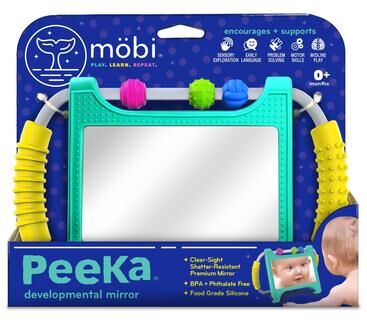
Mobi Peeka Development MirrorPEEKA® developmental mirror was designed by our team of doctors, therapists and parents to help children explore, learn and grow. When you place PEEKA® in the hands of your little ones, you will be amazed at the variety of ways they find to play...26,99 $*Shipping: 0,00 $Secure redirect to the provider



-
Why were numerous universities founded during the Reformation and Counter-Reformation era?
Numerous universities were founded during the Reformation and Counter-Reformation era because of the increased demand for education and the need to train clergy and scholars in the theological and philosophical debates of the time. The Reformation led to a greater emphasis on the study of scripture and theology, prompting the establishment of Protestant universities to train ministers and scholars in these areas. On the other hand, the Counter-Reformation, led by the Catholic Church, also saw the founding of universities to educate clergy and counter the spread of Protestant ideas. Additionally, the printing press allowed for the dissemination of knowledge, leading to a greater demand for education and the establishment of more universities. **
-
Does the Princes' Reformation differ significantly from the People's Reformation under Luther?
Yes, the Princes' Reformation and the People's Reformation under Luther differ significantly. The Princes' Reformation was driven by political and economic motivations, as many German princes saw an opportunity to gain power and wealth by breaking away from the authority of the Catholic Church. On the other hand, the People's Reformation was more focused on religious and spiritual concerns, with Luther's teachings resonating with the common people who were seeking a more personal and direct relationship with God. Additionally, the Princes' Reformation often involved the use of force and coercion to implement religious changes, while the People's Reformation was more grassroots and organic in nature. **
-
What was the Counter-Reformation?
The Counter-Reformation was a period of Catholic resurgence in response to the Protestant Reformation. It was a movement within the Catholic Church to address the criticisms and challenges posed by the Protestant reformers. The Counter-Reformation involved efforts to reform the Church from within, combat heresy, and strengthen Catholic doctrine and practices. It also led to the founding of new religious orders, such as the Jesuits, to spread Catholicism and combat the spread of Protestantism. **
-
Why did Reformation Day become Halloween?
Reformation Day, which commemorates the day Martin Luther nailed his 95 Theses to the church door in Wittenberg, Germany, on October 31, 1517, is the same day as Halloween. The connection between the two dates is likely due to the fact that Halloween, or All Hallows' Eve, falls on the night before All Saints' Day, a Christian holiday. Over time, the traditions and customs of Halloween, such as dressing up in costumes and going door-to-door for treats, have become more prominent, overshadowing the religious significance of Reformation Day. As a result, the two events have become intertwined in popular culture. **


Is Reformation Day a school holiday?
Reformation Day is not a widely recognized school holiday in the United States. While some schools with a religious affiliation or in areas with a significant Protestant population may choose to observe Reformation Day with a day off, it is not a federal or widely recognized holiday. In many cases, schools will remain open on Reformation Day and continue with their regular schedule. **
How was it before the Reformation?
Before the Reformation, the Catholic Church held significant power and influence over many aspects of society in Europe. The Church was the dominant religious institution, with a strong hierarchy led by the Pope in Rome. It controlled religious practices, education, and even had a say in political matters. The Church also collected tithes and sold indulgences, which were seen as a way to reduce punishment for sins. However, there were also criticisms of the Church's practices, such as corruption among clergy members, the selling of indulgences, and the lack of access to religious texts for the common people. These criticisms eventually led to the Reformation, a movement that sought to reform the Catholic Church and ultimately resulted in the establishment of Protestantism as a separate branch of Christianity. **
Top-Angebote
Products related to Reformation:
-
Huddly Canvas Whiteboard Content Camera KitHuddly Canvas whiteboard content camera kit for meeting rooms. The camera mounts above a whiteboard and captures its contents so they can be shared clearly with remote participants in video calls.1003,49 £*Shipping: 0,00 £Secure redirect to the provider
-
GlowBake Advanced Skin Tester, Face Skin Moisture & Oil Content Analyzer Advanced Skin Tester, Face Skin Moisture & Oil Content AnalyzerDiscover your skins true condition with our advanced Skin Tester a compact yet powerful face skin analyzer designed to measure moisture, oil content, skin water, cheek elastic quality, and even estimate skin age in seconds. Ideal for home use or pro...27,97 $*Shipping: 0,00 $Secure redirect to the provider
-
CABLES DIRECT CMS Cables High Speed HDMI Cable with Ethernet - 2mHigh Speed HDMI cable with Ethernet, 2 metres. HDMI (High-Definition Multimedia Interface) carries digital video and audio over a single cable between devices such as Blu-ray and DVD players, set-top boxes, games consoles, TVs, monitors and projectors.10,99 £*Shipping: 0,00 £Secure redirect to the provider
-
What were the Reformation and Counter-Reformation?
The Reformation was a 16th-century movement within Christianity that aimed to reform the Roman Catholic Church. It was led by figures such as Martin Luther, John Calvin, and Huldrych Zwingli, who sought to address corruption and abuses within the Church. The Counter-Reformation, on the other hand, was the Catholic Church's response to the Reformation. It involved efforts to reaffirm and strengthen Catholic doctrine, as well as to address some of the criticisms raised by the reformers. The Council of Trent, held between 1545 and 1563, was a key event in the Counter-Reformation, as it outlined reforms and clarified Catholic teachings. **
-
What was the Reformation and the Counter-Reformation?
The Reformation was a 16th-century movement in Europe that sought to reform the Roman Catholic Church and resulted in the creation of Protestantism. It was sparked by Martin Luther's 95 Theses, which criticized the Church's practices and teachings. The Counter-Reformation was the Catholic Church's response to the Reformation, aiming to address the issues raised by the reformers and to reassert the Church's authority. It included efforts to reform the Church from within, as well as the establishment of the Inquisition to combat heresy. **
-
Why were numerous universities founded during the Reformation and Counter-Reformation era?
Numerous universities were founded during the Reformation and Counter-Reformation era because of the increased demand for education and the need to train clergy and scholars in the theological and philosophical debates of the time. The Reformation led to a greater emphasis on the study of scripture and theology, prompting the establishment of Protestant universities to train ministers and scholars in these areas. On the other hand, the Counter-Reformation, led by the Catholic Church, also saw the founding of universities to educate clergy and counter the spread of Protestant ideas. Additionally, the printing press allowed for the dissemination of knowledge, leading to a greater demand for education and the establishment of more universities. **
-
Does the Princes' Reformation differ significantly from the People's Reformation under Luther?
Yes, the Princes' Reformation and the People's Reformation under Luther differ significantly. The Princes' Reformation was driven by political and economic motivations, as many German princes saw an opportunity to gain power and wealth by breaking away from the authority of the Catholic Church. On the other hand, the People's Reformation was more focused on religious and spiritual concerns, with Luther's teachings resonating with the common people who were seeking a more personal and direct relationship with God. Additionally, the Princes' Reformation often involved the use of force and coercion to implement religious changes, while the People's Reformation was more grassroots and organic in nature. **
Similar search terms for Reformation
-
Mobi Peeka Development MirrorPEEKA® developmental mirror was designed by our team of doctors, therapists and parents to help children explore, learn and grow. When you place PEEKA® in the hands of your little ones, you will be amazed at the variety of ways they find to play...26,99 $*Shipping: 0,00 $Secure redirect to the provider
-
Rotolight VideoVlogging RL48 LED Ring Light Kit for Content CreatorsRotolight VideoVlogging RL48 LED Ring Light Kit – For Content Creators The Rotolight VideoVlogging RL48 LED Ring Light Kit is designed to deliver professional-quality lighting for content creators, vloggers, and photographers. It provides soft, even illumination that enhances facial features, reduces shadows, and improves overall video and photo quality. Compact and easy to use, the RL48 is ideal for streaming, makeup tutorials, video calls, and social media content creation. Its lightweight design makes it highly portable, allowing you to set up professional lighting anywhere, whether at home or on the go.16,99 £*Shipping: 0,00 £Secure redirect to the provider
-
Generic CMS Cables 10m HDMI AOC Cable, Active Optical Cable 48Gbps 8k 60HzWhat is AOC? AOC is short for Active Optical Cable which is the latest in cabling technology. AOC removes the copper conductors and replaces them with fibre optical cores and a small transmitter and receiver in the connectors. Copper cores still remain to carry power along the cable. Why Professionals Are Choosing AOC? The use of fibre optical cores allows the cable to be thinner and lighter The barriers of cable length is no longer a problem By using fibre optical cores, EMC interference from power cables and lighting is no longer an issue. The cables also produce much less EMC themselves No signal loss over long distances No extenders, boosters or runs of CAT5e needed. These simply connect to your host and device like a standard cable Our AOC comes in frustration free packaging Please Note: This cable must be connected with the Source connector connected to the device & Display connector connected to the display.73,49 £*Shipping: 0,00 £Secure redirect to the provider
-
What was the Counter-Reformation?
The Counter-Reformation was a period of Catholic resurgence in response to the Protestant Reformation. It was a movement within the Catholic Church to address the criticisms and challenges posed by the Protestant reformers. The Counter-Reformation involved efforts to reform the Church from within, combat heresy, and strengthen Catholic doctrine and practices. It also led to the founding of new religious orders, such as the Jesuits, to spread Catholicism and combat the spread of Protestantism. **
-
Why did Reformation Day become Halloween?
Reformation Day, which commemorates the day Martin Luther nailed his 95 Theses to the church door in Wittenberg, Germany, on October 31, 1517, is the same day as Halloween. The connection between the two dates is likely due to the fact that Halloween, or All Hallows' Eve, falls on the night before All Saints' Day, a Christian holiday. Over time, the traditions and customs of Halloween, such as dressing up in costumes and going door-to-door for treats, have become more prominent, overshadowing the religious significance of Reformation Day. As a result, the two events have become intertwined in popular culture. **
-
Is Reformation Day a school holiday?
Reformation Day is not a widely recognized school holiday in the United States. While some schools with a religious affiliation or in areas with a significant Protestant population may choose to observe Reformation Day with a day off, it is not a federal or widely recognized holiday. In many cases, schools will remain open on Reformation Day and continue with their regular schedule. **
-
How was it before the Reformation?
Before the Reformation, the Catholic Church held significant power and influence over many aspects of society in Europe. The Church was the dominant religious institution, with a strong hierarchy led by the Pope in Rome. It controlled religious practices, education, and even had a say in political matters. The Church also collected tithes and sold indulgences, which were seen as a way to reduce punishment for sins. However, there were also criticisms of the Church's practices, such as corruption among clergy members, the selling of indulgences, and the lack of access to religious texts for the common people. These criticisms eventually led to the Reformation, a movement that sought to reform the Catholic Church and ultimately resulted in the establishment of Protestantism as a separate branch of Christianity. **
* All prices are inclusive of VAT and, if applicable, plus shipping costs. The offer information is based on the details provided by the respective shop and is updated through automated processes. Real-time updates do not occur, so deviations can occur in individual cases. ** Note: Parts of this content were created by AI.