Buy impresspages.eu ?
We are moving the project
impresspages.eu .
Are you interested in purchasing the domain
impresspages.eu ?
domain@kv-gmbh.de · 0541-91531010
Buy impresspages.eu ?
What are ATP and ADP?
ATP (adenosine triphosphate) is a molecule that stores and transfers energy within cells. It is often referred to as the "energy currency" of the cell because it provides the energy needed for various cellular processes. When ATP is used for energy, it is converted to ADP (adenosine diphosphate) by releasing one phosphate group, along with the energy stored in the bond. ADP can then be converted back to ATP through cellular respiration to replenish the cell's energy supply. **
What is ADP in biology?
ADP, or adenosine diphosphate, is a molecule that plays a crucial role in cellular energy metabolism. It is formed when ATP (adenosine triphosphate) loses one of its phosphate groups, releasing energy that can be used by the cell for various processes. ADP can be converted back into ATP through the process of cellular respiration, where energy from nutrients is used to reattach a phosphate group to ADP, replenishing the cell's energy supply. **
Similar search terms for ADP
Top-Angebote
Products related to ADP:
-
CABLES DIRECT CMS Cables High Speed HDMI Cable with Ethernet - 2mHigh Speed HDMI cable with Ethernet, 2 metres. HDMI (High-Definition Multimedia Interface) carries digital video and audio over a single cable between devices such as Blu-ray and DVD players, set-top boxes, games consoles, TVs, monitors and projectors.10,99 £*Shipping: 0,00 £Secure redirect to the provider
-
Chief CPA640 Decorative Ceiling Tile Ring for CMS & CPAE Projector Mount Columns - WhiteChief CPA640W decorative ceiling tile ring in white. It gives a clean, finished look where a Chief CMS or CPAE extension column passes through a suspended ceiling tile.Colour: WhiteCompatible with all Chief CMS and CPAE columns, KITEC projector kits and CMA274 quick-snap cable covers31,49 £*Shipping: 0,00 £Secure redirect to the provider
-
Generic CMS Cables 10m HDMI AOC Cable, Active Optical Cable 48Gbps 8k 60HzWhat is AOC? AOC is short for Active Optical Cable which is the latest in cabling technology. AOC removes the copper conductors and replaces them with fibre optical cores and a small transmitter and receiver in the connectors. Copper cores still remain to carry power along the cable. Why Professionals Are Choosing AOC? The use of fibre optical cores allows the cable to be thinner and lighter The barriers of cable length is no longer a problem By using fibre optical cores, EMC interference from power cables and lighting is no longer an issue. The cables also produce much less EMC themselves No signal loss over long distances No extenders, boosters or runs of CAT5e needed. These simply connect to your host and device like a standard cable Our AOC comes in frustration free packaging Please Note: This cable must be connected with the Source connector connected to the device & Display connector connected to the display.73,49 £*Shipping: 0,00 £Secure redirect to the provider
-
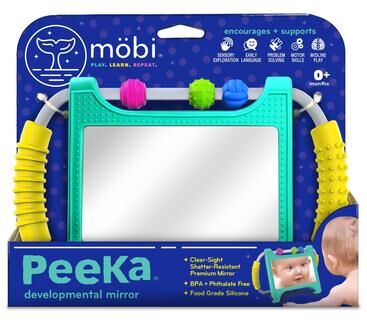
Mobi Peeka Development MirrorPEEKA® developmental mirror was designed by our team of doctors, therapists and parents to help children explore, learn and grow. When you place PEEKA® in the hands of your little ones, you will be amazed at the variety of ways they find to play...26,99 $*Shipping: 0,00 $Secure redirect to the provider


-
What is ATP, KP, and ADP?
ATP (adenosine triphosphate) is a molecule that stores and transfers energy within cells. It is often referred to as the "energy currency" of the cell. KP (potassium phosphate) is a salt that contains potassium and phosphate ions. It is involved in various cellular processes, including energy metabolism. ADP (adenosine diphosphate) is a molecule that forms when ATP loses one of its phosphate groups during energy-releasing reactions. ADP can be converted back into ATP through cellular respiration to replenish the cell's energy supply. **
-
What are ATP, ADP, and AMP?
ATP (adenosine triphosphate) is a molecule that stores and transfers energy within cells. When ATP is used for energy, it is converted into ADP (adenosine diphosphate) by removing a phosphate group. Further breakdown of ADP results in AMP (adenosine monophosphate) by removing another phosphate group. These molecules are crucial for energy transfer and storage in various cellular processes. **
-
Can ADP P be written as ADPP?
No, ADP P cannot be written as ADPP. ADP stands for adenosine diphosphate, which consists of adenosine and two phosphate groups. When written as ADP P, it indicates the presence of an additional phosphate group attached to adenosine diphosphate. Therefore, ADP P and ADPP are not the same. **
-
What is the difference between ATP and ADP?
ATP (adenosine triphosphate) is a high-energy molecule that stores and transfers energy within cells for various cellular processes. It consists of three phosphate groups. When ATP is used for energy, it is hydrolyzed into ADP (adenosine diphosphate) by removing one phosphate group, releasing energy in the process. ADP has two phosphate groups and is considered a lower-energy molecule compared to ATP. **


What is the difference between ADP and ATP?
ADP (adenosine diphosphate) and ATP (adenosine triphosphate) are both molecules involved in energy transfer within cells. The main difference between the two is the number of phosphate groups they contain. ATP has three phosphate groups, while ADP has two. When ATP is hydrolyzed, it releases energy and becomes ADP, and when ADP is phosphorylated, it gains a phosphate group and becomes ATP. This cycle of conversion between ADP and ATP is crucial for energy storage and transfer in cells. **
What is the labeling for ATP and ADP in biology?
In biology, ATP (adenosine triphosphate) is often referred to as the "energy currency" of the cell. It is labeled as the primary molecule used to store and transfer energy within cells. On the other hand, ADP (adenosine diphosphate) is the molecule that results from the hydrolysis of ATP, releasing energy for cellular processes. ADP is often labeled as the precursor to ATP, as it can be converted back into ATP through the addition of a phosphate group. **
Top-Angebote
Products related to ADP:
-
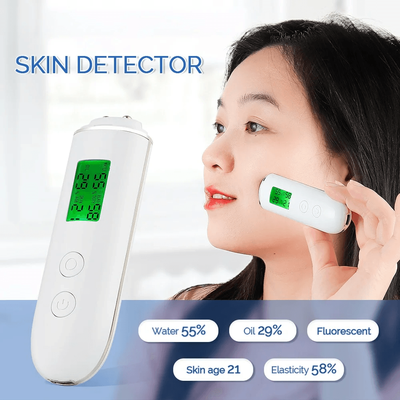
GlowBake Advanced Skin Tester, Face Skin Moisture & Oil Content Analyzer Advanced Skin Tester, Face Skin Moisture & Oil Content AnalyzerDiscover your skins true condition with our advanced Skin Tester a compact yet powerful face skin analyzer designed to measure moisture, oil content, skin water, cheek elastic quality, and even estimate skin age in seconds. Ideal for home use or pro...27,97 $*Shipping: 0,00 $Secure redirect to the provider
-
CABLES DIRECT CMS Cables High Speed HDMI Cable with Ethernet - 2mHigh Speed HDMI cable with Ethernet, 2 metres. HDMI (High-Definition Multimedia Interface) carries digital video and audio over a single cable between devices such as Blu-ray and DVD players, set-top boxes, games consoles, TVs, monitors and projectors.10,99 £*Shipping: 0,00 £Secure redirect to the provider
-
Chief CPA640 Decorative Ceiling Tile Ring for CMS & CPAE Projector Mount Columns - WhiteChief CPA640W decorative ceiling tile ring in white. It gives a clean, finished look where a Chief CMS or CPAE extension column passes through a suspended ceiling tile.Colour: WhiteCompatible with all Chief CMS and CPAE columns, KITEC projector kits and CMA274 quick-snap cable covers31,49 £*Shipping: 0,00 £Secure redirect to the provider
-
What are ATP and ADP?
ATP (adenosine triphosphate) is a molecule that stores and transfers energy within cells. It is often referred to as the "energy currency" of the cell because it provides the energy needed for various cellular processes. When ATP is used for energy, it is converted to ADP (adenosine diphosphate) by releasing one phosphate group, along with the energy stored in the bond. ADP can then be converted back to ATP through cellular respiration to replenish the cell's energy supply. **
-
What is ADP in biology?
ADP, or adenosine diphosphate, is a molecule that plays a crucial role in cellular energy metabolism. It is formed when ATP (adenosine triphosphate) loses one of its phosphate groups, releasing energy that can be used by the cell for various processes. ADP can be converted back into ATP through the process of cellular respiration, where energy from nutrients is used to reattach a phosphate group to ADP, replenishing the cell's energy supply. **
-
What is ATP, KP, and ADP?
ATP (adenosine triphosphate) is a molecule that stores and transfers energy within cells. It is often referred to as the "energy currency" of the cell. KP (potassium phosphate) is a salt that contains potassium and phosphate ions. It is involved in various cellular processes, including energy metabolism. ADP (adenosine diphosphate) is a molecule that forms when ATP loses one of its phosphate groups during energy-releasing reactions. ADP can be converted back into ATP through cellular respiration to replenish the cell's energy supply. **
-
What are ATP, ADP, and AMP?
ATP (adenosine triphosphate) is a molecule that stores and transfers energy within cells. When ATP is used for energy, it is converted into ADP (adenosine diphosphate) by removing a phosphate group. Further breakdown of ADP results in AMP (adenosine monophosphate) by removing another phosphate group. These molecules are crucial for energy transfer and storage in various cellular processes. **
Similar search terms for ADP
-
Generic CMS Cables 10m HDMI AOC Cable, Active Optical Cable 48Gbps 8k 60HzWhat is AOC? AOC is short for Active Optical Cable which is the latest in cabling technology. AOC removes the copper conductors and replaces them with fibre optical cores and a small transmitter and receiver in the connectors. Copper cores still remain to carry power along the cable. Why Professionals Are Choosing AOC? The use of fibre optical cores allows the cable to be thinner and lighter The barriers of cable length is no longer a problem By using fibre optical cores, EMC interference from power cables and lighting is no longer an issue. The cables also produce much less EMC themselves No signal loss over long distances No extenders, boosters or runs of CAT5e needed. These simply connect to your host and device like a standard cable Our AOC comes in frustration free packaging Please Note: This cable must be connected with the Source connector connected to the device & Display connector connected to the display.73,49 £*Shipping: 0,00 £Secure redirect to the provider
-
Mobi Peeka Development MirrorPEEKA® developmental mirror was designed by our team of doctors, therapists and parents to help children explore, learn and grow. When you place PEEKA® in the hands of your little ones, you will be amazed at the variety of ways they find to play...26,99 $*Shipping: 0,00 $Secure redirect to the provider
-
Rotolight VideoVlogging RL48 LED Ring Light Kit for Content CreatorsRotolight VideoVlogging RL48 LED Ring Light Kit – For Content Creators The Rotolight VideoVlogging RL48 LED Ring Light Kit is designed to deliver professional-quality lighting for content creators, vloggers, and photographers. It provides soft, even illumination that enhances facial features, reduces shadows, and improves overall video and photo quality. Compact and easy to use, the RL48 is ideal for streaming, makeup tutorials, video calls, and social media content creation. Its lightweight design makes it highly portable, allowing you to set up professional lighting anywhere, whether at home or on the go.16,99 £*Shipping: 0,00 £Secure redirect to the provider
-
Fusion Finds Portable Selfie Mirror For Photography Convex Wide Angle Travel Mirror For Content Creators Portable Selfie Mirror For Photography Convex Wide Angle Travel Mirror For Content CreatorsExperience a whole new perspective with this portable selfie mirror designed to elevate your photos, videos, and everyday adventures. Whether you're a content creator, traveler, or selfie enthusiast, this compact accessory helps capture unique...32,97 $*Shipping: 0,00 $Secure redirect to the provider
-
Can ADP P be written as ADPP?
No, ADP P cannot be written as ADPP. ADP stands for adenosine diphosphate, which consists of adenosine and two phosphate groups. When written as ADP P, it indicates the presence of an additional phosphate group attached to adenosine diphosphate. Therefore, ADP P and ADPP are not the same. **
-
What is the difference between ATP and ADP?
ATP (adenosine triphosphate) is a high-energy molecule that stores and transfers energy within cells for various cellular processes. It consists of three phosphate groups. When ATP is used for energy, it is hydrolyzed into ADP (adenosine diphosphate) by removing one phosphate group, releasing energy in the process. ADP has two phosphate groups and is considered a lower-energy molecule compared to ATP. **
-
What is the difference between ADP and ATP?
ADP (adenosine diphosphate) and ATP (adenosine triphosphate) are both molecules involved in energy transfer within cells. The main difference between the two is the number of phosphate groups they contain. ATP has three phosphate groups, while ADP has two. When ATP is hydrolyzed, it releases energy and becomes ADP, and when ADP is phosphorylated, it gains a phosphate group and becomes ATP. This cycle of conversion between ADP and ATP is crucial for energy storage and transfer in cells. **
-
What is the labeling for ATP and ADP in biology?
In biology, ATP (adenosine triphosphate) is often referred to as the "energy currency" of the cell. It is labeled as the primary molecule used to store and transfer energy within cells. On the other hand, ADP (adenosine diphosphate) is the molecule that results from the hydrolysis of ATP, releasing energy for cellular processes. ADP is often labeled as the precursor to ATP, as it can be converted back into ATP through the addition of a phosphate group. **
* All prices are inclusive of VAT and, if applicable, plus shipping costs. The offer information is based on the details provided by the respective shop and is updated through automated processes. Real-time updates do not occur, so deviations can occur in individual cases. ** Note: Parts of this content were created by AI.